XJR
News
Introduction
When equipping your command center with cutting-edge display technology, the choice between Small-Pitch LED screens and traditional LCD solutions can significantly impact operational efficiency. This comprehensive comparison explores key factors like resolution, viewing angles, and durability for Interactive Flat Panels, Digital Signage, and LED Video Walls. Discover how Small-Pitch LED technology stacks up against LCD displays and whether emerging options like OLED Transparent Screens might better serve your mission-critical visualization needs.
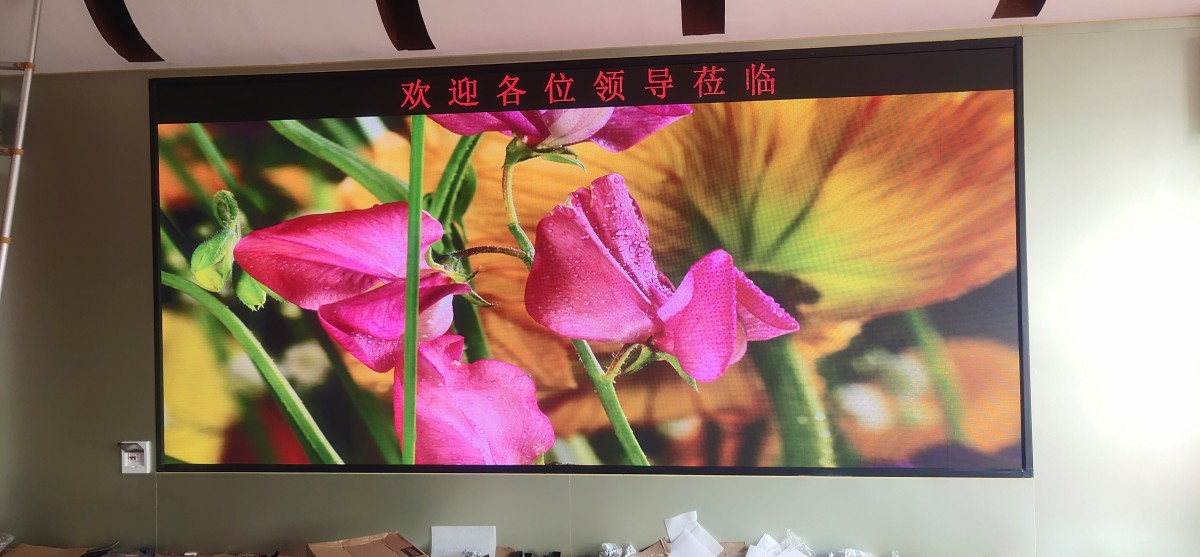
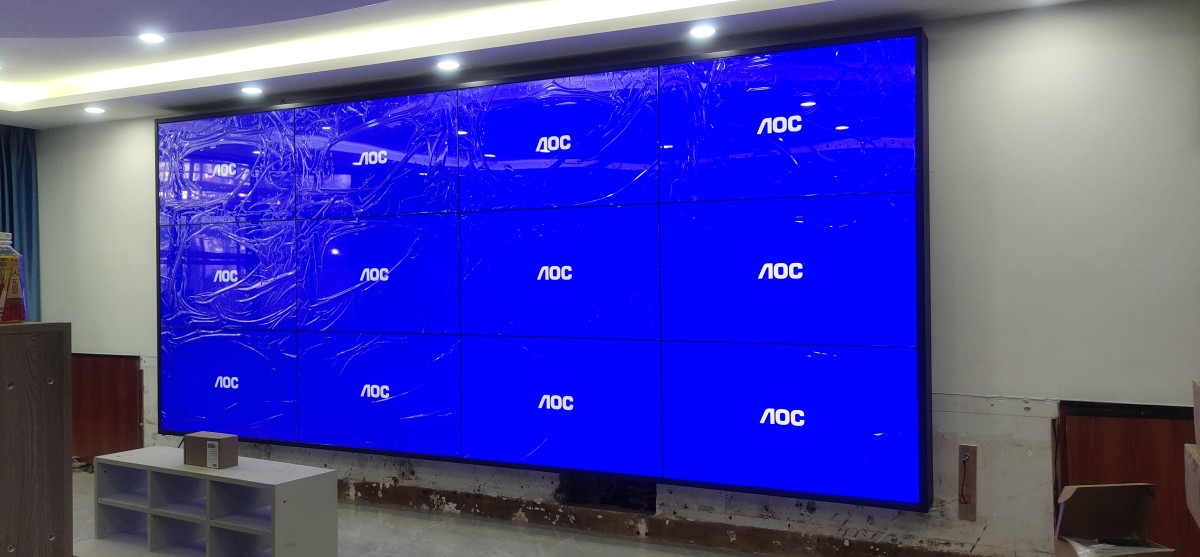
Key Differences Between Small-Pitch LED and LCD Displays
The manufacturing and processing industry demands high-performance display solutions for command centers, where real-time data visualization is critical. Small-Pitch LED screens and LCD panels each offer distinct advantages, but understanding their differences is essential for making an informed decision.
Resolution and Pixel Density
Small-Pitch LED screens excel in high-resolution applications, with pixel pitches ranging from 0.9mm to 2.5mm, making them ideal for close-viewing distances in command center environments. LCD panels, while capable of high resolutions, often struggle with bezel visibility in video wall configurations. For Digital Signage applications requiring seamless visuals, Small-Pitch LED technology provides superior image continuity.
Viewing Angles and Brightness
LED Video Walls maintain consistent brightness and color accuracy across wide viewing angles (typically 160° or more), crucial for collaborative command center environments. LCD displays often experience color shifting and brightness reduction at angles beyond 120°. This makes Small-Pitch LED screens particularly valuable for mission-critical monitoring stations where multiple operators need simultaneous access to visual data.
Performance in Industrial Environments
Manufacturing and processing facilities present unique challenges for display technologies, from environmental factors to operational requirements.
Durability and Lifespan
Small-Pitch LED screens boast an average lifespan of 100,000 hours, significantly outperforming most LCD solutions. Their solid-state construction makes them more resistant to vibration and mechanical stress common in industrial settings. For Interactive Flat Panel applications in harsh environments, LED technology offers superior reliability with minimal maintenance requirements.
Temperature Tolerance and Energy Efficiency
Industrial-grade Small-Pitch LED displays operate reliably in temperatures ranging from -20°C to 50°C, making them suitable for unregulated environments. While LCD panels have improved in this regard, they still require more climate-controlled conditions for optimal performance. Modern LED Video Walls also feature advanced energy-saving technologies, reducing power consumption by up to 40% compared to conventional LCD arrays.
Emerging Technologies: OLED Transparent Screens
While Small-Pitch LED and LCD dominate current command center installations, OLED Transparent Screens present intriguing possibilities for future implementations.
Unique Advantages of Transparent Displays
OLED Transparent Screens offer unparalleled design flexibility, allowing operators to maintain situational awareness while viewing critical data. These displays achieve transparency levels up to 45%, making them ideal for control rooms where operators need to monitor both digital information and physical processes simultaneously. While currently more expensive than traditional options, their potential for augmented reality applications in manufacturing warrants serious consideration.
Integration Challenges
The implementation of OLED Transparent Screens in industrial environments requires careful planning. Ambient light conditions significantly affect visibility, and the technology currently lacks the brightness levels of mature LED Video Wall solutions. However, for specialized applications in high-tech manufacturing facilities, these displays may offer transformative visualization capabilities.
Decision Factors for Command Center Applications
Selecting the right display technology for your manufacturing command center requires evaluating multiple operational parameters.
Conclusion and Next Steps
For manufacturing command centers requiring robust, high-performance visualization, Small-Pitch LED screens currently offer the best balance of image quality, durability, and operational efficiency. While LCD solutions remain cost-effective for certain applications, their limitations in seamless video wall configurations make them less ideal for mission-critical environments. Emerging OLED Transparent Screen technology shows promise but requires further development for widespread industrial adoption.
Our team specializes in designing customized display solutions for manufacturing and processing facilities. Whether you're evaluating Interactive Flat Panels for operator stations, Digital Signage for plant-wide communication, or LED Video Walls for centralized monitoring, we can help you select and implement the optimal technology for your specific operational requirements.
Contact our display technology experts today to schedule a consultation and discover how advanced visualization solutions can transform your command center operations.
Awesome! Share to:
Related Posts
- Teams Integration Secrets: Boost Your LED Display Conference Experience
- LED Screen ROI Calculator: Measure Your Conference Room Investment Payback Period
- Interactive Flat Panel Buying Guide: Top 3 Considerations for Tech Evaluators
- How Smart Speakers are Revolutionizing Conference Room Efficiency (Case Studies Included)
- 5 Must-Have LED Display Features for Impactful Digital Signage in Corporate Spaces
XJR

20 years experiences textile machine manufacturer and exporter